Viña Santa Rita Winery Tour & Visitor Guide
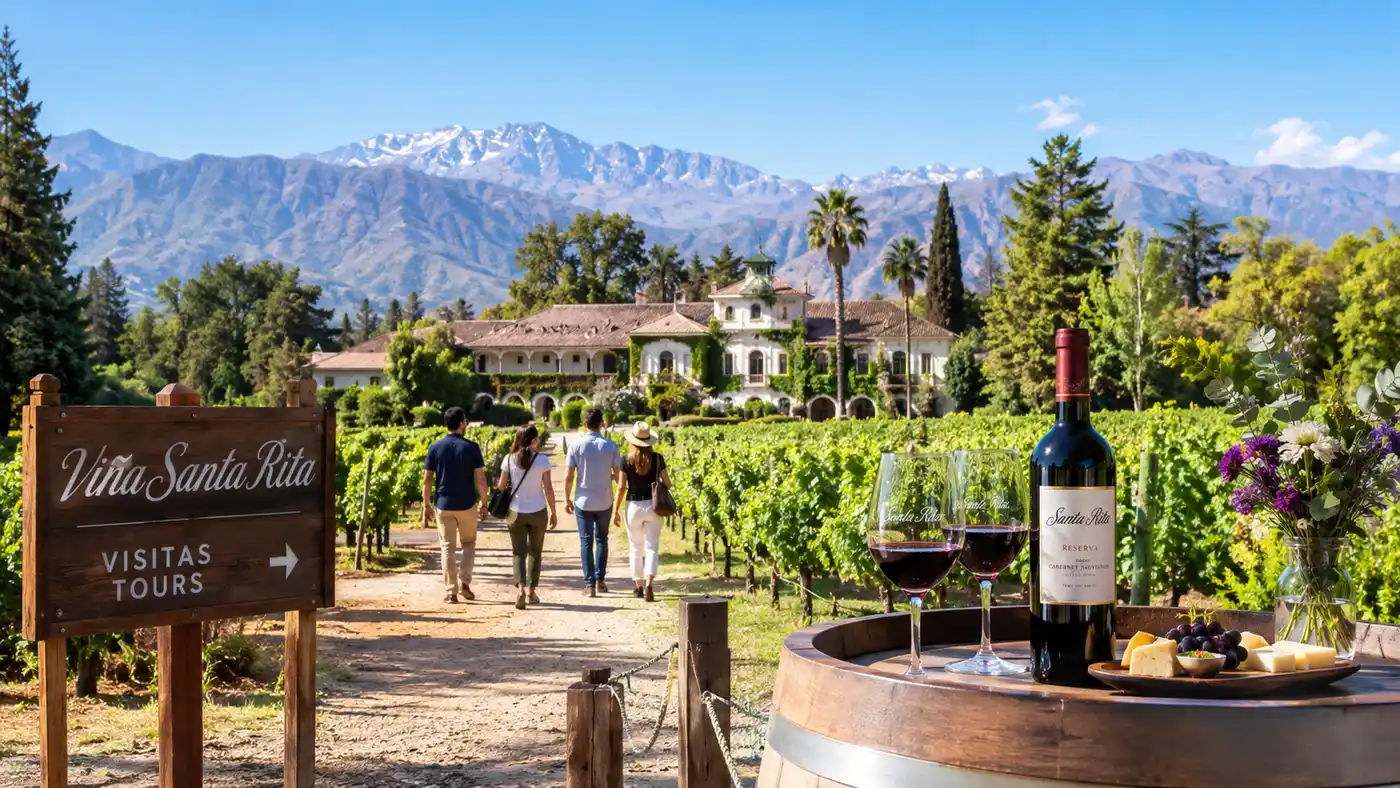
Most people who drink Chilean wine recognise the yellow label with bold red numbers sitting on supermarket shelves across the globe. Booking a santa rita winery tour takes you straight past that commercial facade and into one of the country's most layered historic estates. It sits tucked against the foothills of Alto Jahuel, where the air feels noticeably cooler than downtown Santiago, smelling faintly of dusty eucalyptus and crushed grape skins whenever the afternoon breeze kicks up.
Visiting Viña Santa Rita is less about checking off a quick wine tasting and more about spending half a day wandering through nineteenth-century estate gardens, ancient underground cellars, and an extraordinary archaeological museum. If you are planning a trip through the Maipo Valley, this estate offers a distinct look at how Chilean wine history intertwines with the country's battle for independence. Here is everything you need to know before you head south from the capital.
Book your santiago wine tours experience:
Choosing the Right Santa Rita Winery Tour Option
The estate offers several distinct tour styles, and picking the right one depends largely on your interest in viticulture versus your tolerance for walking through manicured bushes. The standard Classic Tour handles the bulk of visitors who arrive by bus. It covers the historic garden, the vinification plant, the historic cellars, and finishes with a tasting of three reserve wines plus a souvenir wine glass. It is efficient, lasting roughly 70 minutes, though it can feel scripted if you catch a large group on a Saturday morning.
For something less crowded, the Premium Tour narrows the group size down and upgrades the tasting flight to four ultra-premium wines, usually paired with cheeses and dried fruit. Wine enthusiasts will prefer this option because you actually get to taste bottles from the Medalla Real and Pehuén lines rather than entry-level pours. There is also a bike tour that lets you pedal through the vineyards toward the foot of the Andes, which gives you a much better appreciation for the scale of this historic viñedo santa rita chile property.
| Tour Type | Duration | Wines Tasted | Approximate Cost (CLP) |
|---|---|---|---|
| Classic Tour | 70 minutes | 3 Reserve wines | 20,000 CLP |
| Premium Tour | 80 minutes | 4 Ultra-premium wines | 35,000 CLP |
| Pedal & Wine (Bike) | 120 minutes | 3 Reserve wines | 38,000 CLP |
| Winemaker Experience | 150 minutes | Custom blend + tasting | 55,000 CLP |
If you prefer an active afternoon, keep a few practical booking pointers in mind:
- Book at least 48 hours ahead: weekend slots fill up fast, especially for tours conducted in English.
- Morning slots are quieter: aim for the 10:30 AM tour to explore the grounds before midday heat sets in.
- Check language options: tours run separately in Spanish, English, and Portuguese, so double-check your selection before confirming payment online.
Pro tip: Pick the Premium Tour over the Classic if you care about the wine quality. The price jump is around 15,000 pesos, but the tasting room is quiet, the wines are significantly better, and the guide spends double the time answering technical questions.
The Historic Cellars and the Legend of the 120
The emotional core of bodega santa rita is the stone-and-mortar cellar built in the early 1800s. Walking down the stone steps brings an immediate temperature drop, hovering near 14 degrees Celsius year-round. Thick limestone walls, held together partly by sand and egg whites in the old cal y canto method, give off a distinct damp earth aroma that wine cellars have carried for centuries. Rows of French oak barrels line the brick corridors, resting quietly under dim sconce lighting.
The story told on every santa rita wine tour centers on the War of Chilean Independence. In 1814, after the disastrous Battle of Rancagua, 120 patriot soldiers led by General Bernardo O'Higgins fled toward the capital. Doña Paula Jaraquemada, who owned the hacienda at the time, sheltered the exhausted troops inside these very cellars, defiantly refusing entry to Spanish royalist forces. The tale gave birth to Santa Rita's globally recognized "120" wine label.
Standing in that underground vault, you understand why this estate occupies such a legendary status in Chilean folklore. History feels tangible here. It is not just marketing polish. You can still see the original iron rings and heavy wooden beams that held the roof together when Spanish cavalry were riding past the gates looking for rebels.
Museo Andino and Estate Gardens
Most visitors book a santa rita winery chile tour for the wine, yet many leave talking about the Museo Andino. Established by the Claro Vial Foundation, this museum houses more than 3,000 pre-Columbian artifacts collected across the Andes. The building itself is a striking piece of contemporary architecture, built with local stone, wood, and concrete that blends into the dry scrub hillside. Natural light pours into exhibition rooms filled with Diaguita pottery, carved wooden snuff trays from San Pedro de Atacama, and delicate gold figurines made by ancient metalworkers.
Entrance to the museum is completely free, even if you did not pay for a guided winery tour. You could easily spend an hour studying the intricate mummies, feather art, and ceremonial textiles preserved behind glass. It adds an intellectual weight to the visit that few other estates in the santa rita wine region can match.
Outside, the 40-hectare park spreads out beneath ancient trees. Designed in the late nineteenth century by French landscape architect Guillermo Renner, the grounds feature boxwood hedges, swan ponds, imported marble statues, and towering Italian cypresses. Taking a slow stroll through these leafy paths after a tasting makes the entire afternoon feel relaxed and unhurried.
Note: The Museo Andino is closed on Mondays. If you want to see the pre-Columbian collection alongside your winery tour, schedule your visit between Tuesday and Sunday.
Book your santiago wine tours experience:
Viña Santa Rita Ubicación: How to Get There from Santiago
Finding the estate is relatively straightforward, but planning transport in advance saves substantial headaches. The official viña santa rita dirección is Camino Padre Hurtado 0695, located in Alto Jahuel within the Buin municipality, roughly 42 kilometers south of central Santiago. Depending on morning traffic along the Ruta 5 Sur highway, the drive takes anywhere from 45 to 70 minutes.
If you are exploring multiple Chile wine regions near Santiago, having a designated driver or booking organized transit is wise. Driving yourself offers maximum flexibility, but local police enforce zero-tolerance blood alcohol limits across Chile. Even a single tasting glass can put you over the legal threshold.
Here are the practical options for getting to the property:
- Rental car: take Ruta 5 Sur heading south from Santiago, exit at Buin/Alto Jahuel, and follow Camino Padre Hurtado east for about 8 kilometers. Parking on the estate grounds is secure and free.
- Ride-hail apps (Uber/Cabify): a one-way trip from Providencia or Las Condes costs roughly 25,000 to 35,000 CLP. Getting an Uber to drop you off is easy, but finding a return driver from Alto Jahuel in the late afternoon can require patience.
- Public transit: take Metro Line 1 to Estación Central, board the Metrotren southward to Buin station (about 25 minutes), then grab a local colectivo taxi or municipal bus marked "Alto Jahuel" straight to the vineyard entrance. Expect the total journey to take 90 minutes.
Tasting the Wines: Beyond the Everyday 120 Label
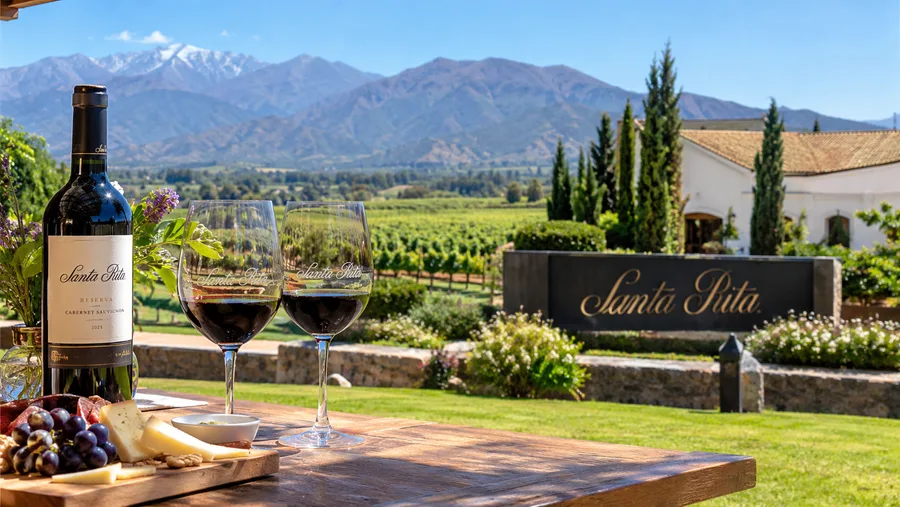
Santa Rita produces millions of cases of entry-level bottles, but their terroir-driven offerings tell a completely different story. The Alto Maipo gravel soils, washed down from the Andes over millennia, provide ideal drainage for Cabernet Sauvignon. Summers here bring blistering daytime sun balanced by cool mountain downdrafts at night, preserving crisp acidity in the grapes while allowing tannins to soften slowly on the vine.
Their crown jewel is Casa Real, a single-vineyard Cabernet Sauvignon first produced in 1989. It is recognized internationally as one of Chile's premier icon wines. Unlike the punchy, fruit-forward style common in warmer New World valleys, older vintages of Casa Real lean savory, showing notes of graphite, dried cassis, tobacco leaf, and black pepper. It is complex, restrained, and built to age for 20 years without breaking a sweat.
If Casa Real sits outside your budget, look out for the Floresta collection. These wines explore micro-plots across Chile, from old-vine Carignan grown in dry Maule soils to coastal Chardonnay fermented in concrete eggs. Tasting through these smaller projects during a premium tasting highlights just how modern and innovative this historic giant remains.
Before leaving, stop by the estate wine shop near the visitor center. Prices on standard reserve lines mirror local supermarkets, but library vintages, estate-exclusive bottlings, and olive oils made on the property are well worth picking up. You can often find older reserve vintages that have vanished from Chilean retail shelves entirely.
Frequently Asked Questions about santa rita winery tour
How far is Viña Santa Rita from downtown Santiago?
The estate sits roughly 42 kilometers south of Santiago in Alto Jahuel. Driving by car or taxi usually takes 45 to 60 minutes, though afternoon rush hour on Ruta 5 Sur can stretch the trip to 75 minutes.
Do I need to book my Santa Rita wine tour in advance?
Yes, booking online through their official website is strongly recommended. Tours in English have limited daily slots and routinely sell out, particularly on Saturdays and Sundays during the Southern Hemisphere summer.
Is there a restaurant on site at Viña Santa Rita?
Yes. Restaurant Doña Paula serves traditional Chilean cuisine alongside Santa Rita wines inside the historic manor house where patriot soldiers were sheltered. There is also the Cafe La Panadería on the grounds, which offers lighter lunches, sandwiches, coffee, and pastries.
Quick Reference
- Location: Alto Jahuel, Buin (42 km south of Santiago)
- Classic Tour: 20,000 CLP (~70 minutes, 3 tastings)
- Museo Andino: Free admission (closed Mondays)
- Signature Wine: Casa Real Cabernet Sauvignon
Book your santiago wine tours experience:
Is It Worth It?
Viña Santa Rita offers something rare among major South American producers. It manages to balance high-volume commercial production with genuine historical reverence, museum-grade culture, and peaceful nineteenth-century estate gardens. Whether you are an architectural buff, an amateur historian, or simply someone hunting for an exceptional glass of Maipo Cabernet Sauvignon, a half-day trip to Alto Jahuel is time well spent. Book an early morning slot, take your time walking through the museum after your tasting, and stay for an unhurried lunch under the colonial verandas before the city pulls you back.
Read more about santiago wine tours.