Casablanca Valley Wine Tours & Best Wineries Guide
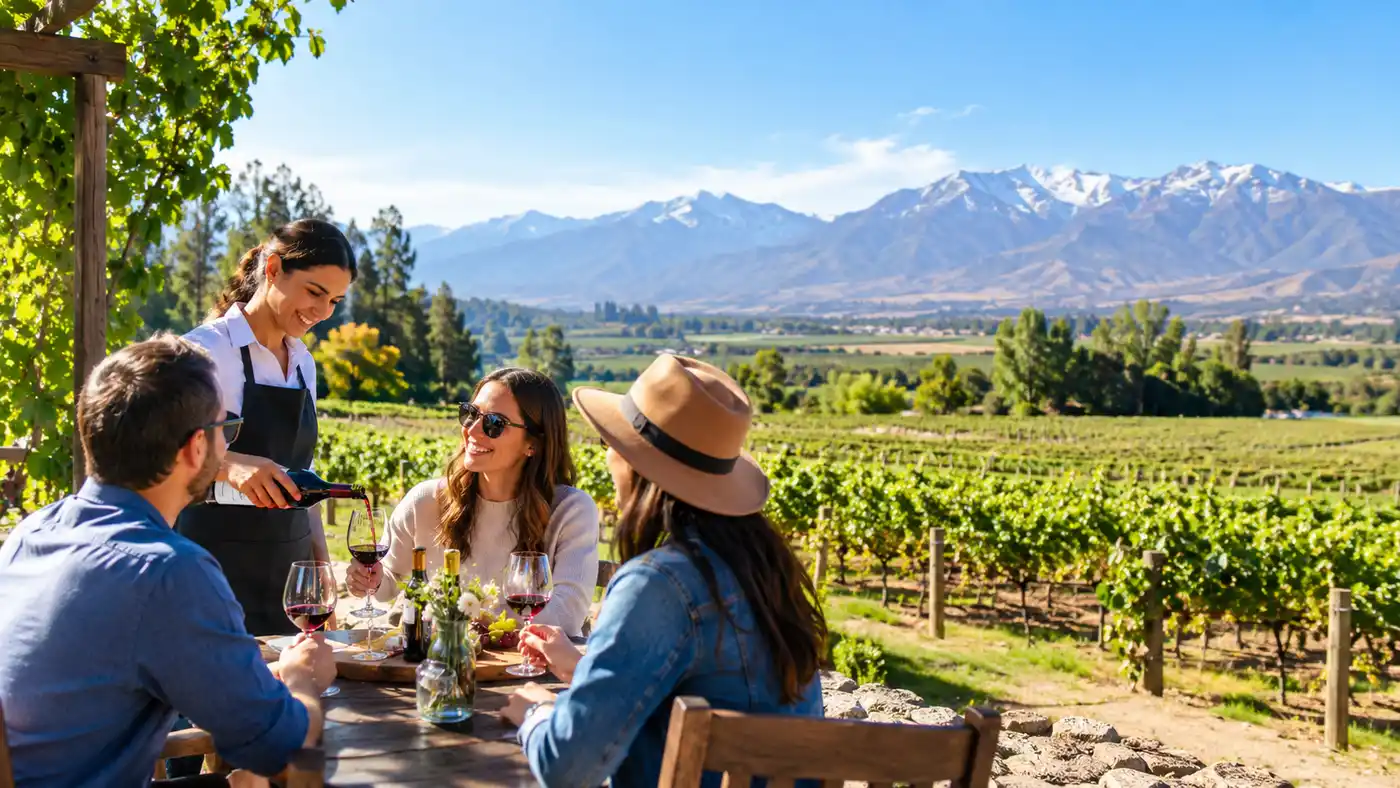
Morning fog hangs thick over the coastal range, chilly enough that you will want a fleece even in mid-January. By midday, the sun burns through the haze, baking the sandy clay soil and pushing temperatures up into the high twenties. This daily weather dance is why a casablanca valley wine tour feels completely different from a day trip into the warm, dusty flatlands of central Chile. The grapes here struggle against cool maritime breezes blowing off the Pacific Ocean just twenty miles to the west, and that struggle produces crisp Sauvignon Blanc, sharp Chardonnay, and some of the brightest Pinot Noir in South America.
Most travelers treat the valley as an afterthought on their way to the colorful hills of Valparaíso. That is a mistake. Sitting roughly 78 kilometers northwest of Santiago along Ruta 68, Casablanca holds around 4,000 hectares of vines tucked between rolling granite hills. Whether you take an organized private excursion, rent a small car, or patch together local buses and taxis, tasting your way through this corridor reveals a completely modern, experimental side of Chilean viticulture.
Book your santiago wine tours experience:
Planning Your Casablanca Valley Wine Tour: Why This Cool Valley is Different
Chile built its historic wine reputation on heavy, concentrated Cabernet Sauvignon grown on the gravelly terraces of the Maipo River. You can read more about those classic styles in our guide to Maipo Valley wine tours, but Casablanca plays a totally different game. Nobody planted vines commercially here until Pablo Morandé took a gamble in 1982. Everyone told him the valley was too cold, too exposed to late spring frosts, and completely devoid of reliable river water. He drilled deep wells, tracked climatic similarities to California's Carneros region, and planted anyway. Within a decade, the entire Chilean wine landscape shifted.
The secret is the Humboldt Current. Cold Antarctic water flows north along Chile's coastline, cooling the sea air and generating a marine fog layer called the camanchaca. Every night, that fog pushes inland through openings in the Coastal Mountain Range, settling over the valley floor. It stays until around 11:00 AM, shielding grapes from harsh morning UV rays and slowing down the ripening process. Because the grapes take weeks longer to mature, they hold onto their natural acidity rather than turning flabby and sweet.
Red grapes that demand scorching heat will not survive here. You will not find monster Carménères or jammy Syrahs on the valley floor. Instead, winemakers plant Pinot Noir, crisp Syrah along high hillside blocks, and white varieties like Sauvignon Blanc, Riesling, and Pinot Gris. The result is energetic wine with sharp mineral notes, mouthwatering citrus, and low alcohol levels that invite a second glass over lunch.
Pro tip: Dress in removable layers. Casablanca is often 12 degrees Celsius at 9:30 AM under grey marine cloud cover, but easily reaches 29 degrees Celsius by 2:00 PM once the valley opens up to blinding blue sky.
The Best Wineries in Casablanca Valley to Visit
Picking which estates to visit can feel overwhelming when driving past dozens of manicured entrances off the highway. Some spots are corporate giants serving tour buses by the dozen, while others offer intimate, walk-through experiences hosted by cellar hands. Mixing different production styles keeps your palate awake.
Kingston Family Vineyards sits tucked back in the western hills, far from the highway drone. An American-Chilean family started the farm as a cattle and dairy operation back in the early 1900s before realizing their hillside granite soils were gold for red grapes in an overwhelmingly white wine valley. They dry-farm their vines where possible and handcraft artisan Pinot Noir and Syrah. Their tasting terrace looks out across the western hills, serving pours alongside rich sheep cheeses from nearby farms. Book their artisan tasting well ahead of your trip, as they only host small groups at a time.
Bodegas RE feels like an eccentric alchemist's playground. Founded by Pablo Morandé, the original Casablanca pioneer, this estate completely ignores modern stainless steel conventions. They ferment and age wine in enormous clay amphorae buried in the dirt floor of a dim, quiet cellar. Their blends are intentionally odd: think Chardonnay co-fermented with Pinot Noir, or Syrah fermented on crushed skins of Muscat. The tastings include artisanal bread, cured olives, and goat cheese produced on the property, and the entire experience is refreshingly irreverent.
Casas del Bosque offers a polished, full-day vineyard atmosphere. Owned by the Cuneo family, it spreads across hundreds of hectares with manicured gardens, pine groves, and a lively restaurant called Tanino. If you want to ride bicycles through the vineyards or enjoy a multi-course lunch paired with bright Sauvignon Blanc reserve bottlings, this is the easiest property to spend four lazy hours at. The estate is busy on weekends, so reservations are mandatory for both tastings and dining.
Viña Emiliana proves that massive scale and organic farming can coexist. As one of the world's largest biodynamic vineyards, their visitor center feels like an open-air farm park. Chickens, geese, and alpacas roam between the vine rows to control weeds and bugs. Their flagship red, Gê, comes from vines planted according to lunar cycles and biodynamic preparations. Tastings here happen on a wide grass lawn shaded by native trees, pairing wines with local chocolates or cheeses.
| Winery | Standout Varieties | Standard Tasting Cost | Vibe & Atmosphere |
|---|---|---|---|
| Kingston Family Vineyards | Pinot Noir, Cool-Climate Syrah | $35 USD | Intimate, hill-view terrace, family-run feel |
| Bodegas RE | Clay-amphora blends, Pinot-Chard | $38 USD | Rustic, experimental, dimly lit clay cellars |
| Casas del Bosque | Sauvignon Blanc, Syrah Pequeñas | $28 USD | Expansive, lively restaurant, bike tours |
| Viña Emiliana | Organic blends, Novas Chardonnay | $22 USD | Biodynamic farm setting with free-roaming animals |
| Viñamar | Sparkling wines (Méthode Champenoise) | $25 USD | Grand French-chateau styling, bubbly terrace |
How to Get to Casablanca: Bus, Car, or Day Tour
Getting to the valley is straightforward because Ruta 68 is a smooth, four-lane toll highway connecting Santiago with the Pacific coast. Your choice comes down to budget versus flexibility, and whether you are willing to spit wine or stick strictly to a designated driver.
Renting a car in Santiago gives you the absolute freedom to explore dirt backroads like the Tapihue circuit. The drive takes roughly 55 minutes from the central neighborhoods of Providencia or Las Condes. You will pass through two major tunnels cutting through coastal mountain ridges, paying around 3,200 to 4,800 Chilean pesos at toll booths depending on peak travel hours. Keep some cash or a contactless card handy for the tolls. The downside is obvious: Chile enforces a zero-tolerance blood alcohol limit. A single tasting glass can put you over the legal threshold, and police frequently set up breathalyzer checkpoints on highway off-ramps.
Public transport is surprisingly viable if you only want to visit one or two wineries. You catch a pullman bus from Santiago's Pajaritos metro station heading toward Valparaíso or Viña del Mar. Tell the ticket counter you are hopping off at Casablanca town. The bus ride takes 45 minutes and costs roughly $4 to $6 USD. Once dropped at the highway stop or the small town square, you can find a radio taxi to take you to nearby estates like Viñamar or Bodegas RE. Negotiate a return pickup time with your driver before they leave, because Uber is spotty and unreliable once you pull into rural estate driveways.
Many visitors choose to bundle the wine valley with coastal sightseeing by taking a Valparaíso and Viña del Mar tour with Casablanca wine tasting. This solves the transport dilemma completely, letting you taste wine mid-morning before spending the late afternoon wandering historic street art alleys overlooking the ocean.
Note: Ride-hailing apps like Uber can get you out to a vineyard from Casablanca town or Valparaíso, but finding a return driver to pick you up in the evening is nearly impossible. Arrange reliable private transport or collect local taxi business cards on arrival.
Book your santiago wine tours experience:
Crafting the Perfect Casablanca Valley Wine Route Itinerary
Rushing through four wineries in one day ruins the experience. Palates get exhausted by high acidity, and you end up spending more time waiting for tasting hosts than relaxing. A relaxed pace of two estates paired with an unhurried winery lunch is ideal.
- 10:30 AM arrival at Viña Emiliana: Start your morning walking through the biodynamic gardens while the air is still crisp. The light is soft, the animals are grazing between the rows, and an introductory flight of crisp whites wakes up your senses.
- 12:45 PM lunch and second tasting at Casas del Bosque: Head ten minutes down the road to Tanino restaurant. Order fresh sea bass or grilled octopus paired with their coastal Sauvignon Blanc, followed by a walk through the barrel cellars.
- 3:30 PM afternoon deep-dive at Bodegas RE: End the afternoon among the massive clay urns. The temperature outside will be warm, making the cool cellar interior feel like an underground sanctuary as you sample wild, unconventional red blends.
If you prefer red wines over whites, swap Emiliana for Kingston Family Vineyards. Their tasting slots are slightly longer, usually lasting around 90 minutes with plenty of time to sit on the back terrace and chat with the hosts about high-elevation coastal viticulture.
Practical Tips for Wine Tasting in Casablanca Valley
A little preparation avoids wasted time and awkward miscommunications at the vineyard gates. Most wineries here are working farms, not open retail storefronts, and their security teams will turn you away if your name is not on the daily guest manifest.
- Reserve visits at least two weeks early: Boutique vineyards like Kingston and Bodegas RE limit their group sizes to eight or ten people. Weekend slots during the southern hemisphere harvest (March and April) fill up a month ahead.
- Carry Chilean pesos for local taxis: While every winery accepts international credit cards, local taxi drivers in Casablanca town deal strictly in cash. Keep 20,000 to 30,000 pesos on hand for rides between estates.
- Wear sensible, flat footwear: Cellar floors are wet, gravel paths are dusty, and vineyard walks take you over uneven, clay-rich earth. Leave heels and thin dress shoes at your Santiago hotel.
- Plan around harvest timing: If you visit between late February and mid-April, you will witness active grape pressing, bustling sorting tables, and workers picking fruit in the cool early mornings. September to November offers bright green budding vines, while winter (June to August) is quiet and barren.
If you have extra days in the country, you might want to look at our breakdown of other Chile wine regions near Santiago to see how coastal Casablanca stacks up against Andean foothill microclimates.
Frequently Asked Questions about casablanca valley wine tour
What is the best month to visit Casablanca Valley?
March and April are fantastic because harvest is in full swing, bringing energy and aroma to the cellars. If you prefer quiet tastings, warm sun, and lush green canopies, November through January is ideal.
Can you visit Casablanca Valley wineries without a tour?
Yes. You can rent a car and drive yourself along Ruta 68, or take a public bus to Casablanca town and use local taxis. Just be sure to book all your vineyard tastings and lunches in advance through the winery websites.
How far is Casablanca Valley from Santiago?
The valley sits about 78 kilometers northwest of downtown Santiago. Driving down the modern Ruta 68 toll highway takes around 50 to 60 minutes outside of peak rush hour traffic.
What wines is Casablanca Valley famous for?
Casablanca is world-famous for cool-climate whites, specifically zesty Sauvignon Blanc and mineral-driven Chardonnay. It also produces exceptional Pinot Noir, crisp Syrah, and method-traditional sparkling wines.
Quick Reference
- Distance: 78 km northwest of Santiago (under 1 hour drive)
- Signature grapes: Sauvignon Blanc, Chardonnay, Pinot Noir
- Best timing: November to April for warm afternoons and harvest action
- Transport: Rental car, regional pullman bus, or pre-booked private day tour
Book your santiago wine tours experience:
Worth the Trip?
Casablanca Valley offers an antidote to the hot, heavy red wines that dominate much of South America. The Pacific fog gives these rolling hills an atmosphere you simply cannot find in Mendoza or the Maipo basin. Take a slow day, book two small estates instead of four commercial factories, sit outside with a glass of crisp coastal wine, and let the ocean breeze do its work.
Read more about santiago wine tours.