Colchagua Valley Wine Tours: Top Wineries & Travel Guide
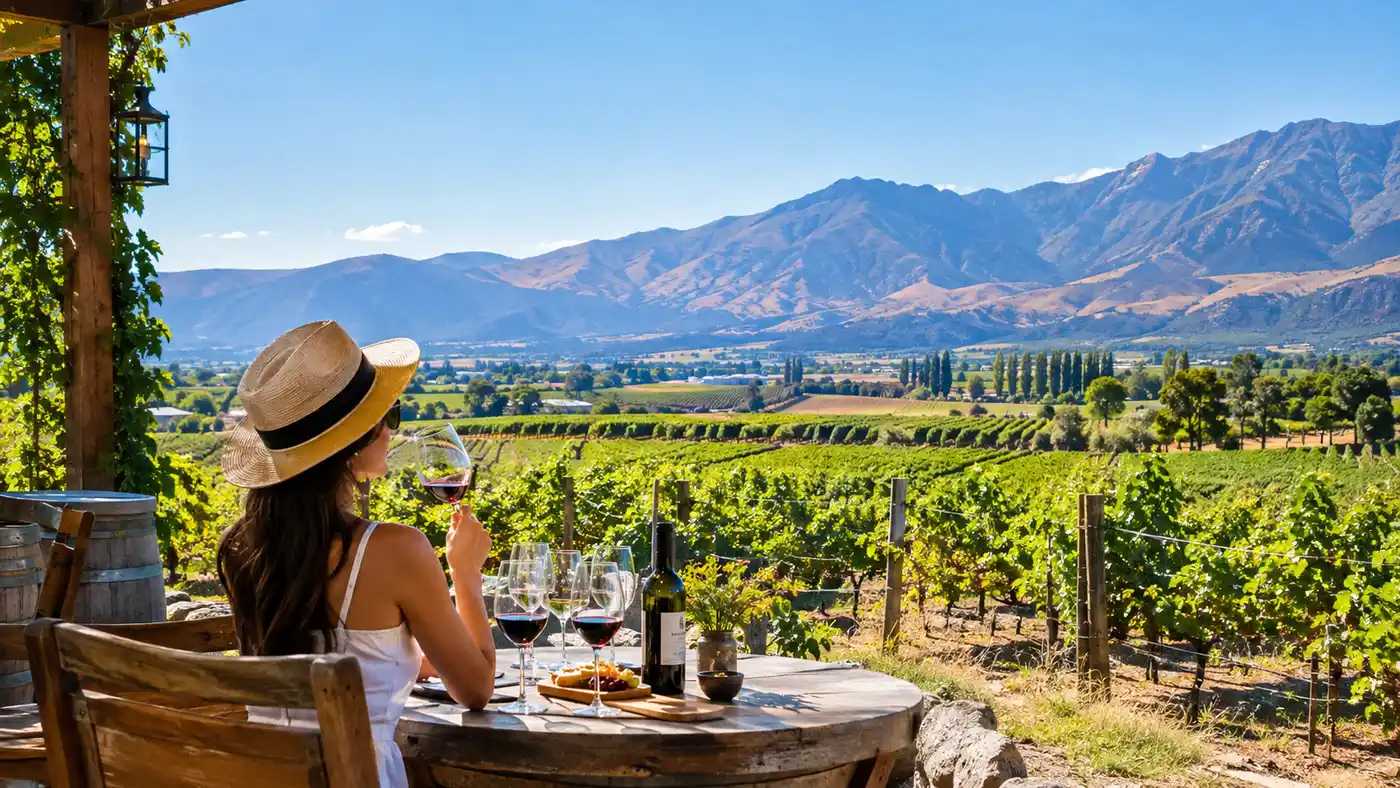
Dust coats your rear windshield within twenty minutes of turning off Chile's Route 5 onto the two-lane asphalt cutting west toward Santa Cruz. The air smells like baked clay, eucalyptus, and wild fennel drying under a relentless sun. If you come here expecting the manicured lawn perfection of Napa or Bordeaux, you will be surprised. Colchagua is rugged, agricultural, and intensely focused on big, brooding red grapes that need long heat units to ripen. Booking a colchagua valley wine tour puts you squarely in the epicenter of South America's most celebrated red wine district, where old-growth Carmenère and muscular Cabernet Sauvignon rule the benchlands.
Most travelers make the journey down from Santiago, sip through three massive tastings, and rush back the same evening. That is a mistake. The valley rewards people who slow down, spend a couple of nights in an adobe guesthouse, and figure out how the microclimates shift between the coastal hills and the steep slopes of the Apalta horseshoe. This guide pulls together practical routing, winery selections that are actually worth your pesos, and honest notes on navigating the region without losing your mind in transit.
Book your santiago wine tours experience:
Getting to Colchagua Valley from Santiago
The valley sits about 180 kilometers south of Santiago. You can drive it in about two hours and fifteen minutes if you dodge the weekday morning rush out of the capital. Take the Autopista Central south, which turns into Ruta 5 Sur, and stay on the toll road until San Fernando. There, you bear right onto Route 90, which cuts straight through Placilla and Nancagua before dropping you in the town square of Santa Cruz chile.
Driving yourself gives you independence, but Chilean drink-driving laws operate on absolute zero tolerance. A single tasting pour puts you over the legal blood-alcohol limit. Police set up checkpoints along Route 90 with breathalyzers, especially on weekend afternoons when tourists wander between estates. If you want to visit multiple vineyards in a single day, hiring a local driver or taking an organized tour from Santiago makes far more sense than chancing the highway.
Pro tip: Pick up an electronic TAG transponder at your car rental desk in Santiago, or carry at least 15,000 CLP in cash for the toll booths along Ruta 5 Sur, which rarely accept foreign credit cards without a hitch.
Buses run frequently from Santiago's Terminal Sur to Santa Cruz. The Turbus coaches leave roughly every forty minutes, cost around 8,000 CLP, and drop you right at the terminal three blocks from the town plaza. From there, local collective taxis or pre-booked remises can ferry you into the vineyard corridors. If you are comparing destinations across the central zone, you might check our guide to other Chile wine regions near Santiago to see how Colchagua stacks up against places like Maipo or Casablanca for transit time.
The Top Wineries to Visit in the Valley
Colchagua is large, spreading across roughly 900,000 hectares, though only a fraction is planted to vines. The wineries cluster into distinct pockets: Apalta, Peralillo, Palmilla, and the cooler western edge known as Colchagua Costa. You cannot see everything in two days, so pick estates that showcase different winemaking philosophies rather than repeating the same stainless-steel vat tour three times.
Apalta is the valley's crown jewel. It is a north-facing amphitheater of granitic foothills where cold air pools at night while the midday sun bakes the terraces. Clos Apalta built an architectural wonder here, shaped like wine staves sinking six stories into the granite bedrock. The tour costs a steep 65,000 CLP per person, but tasting the flagship red blend straight out of their gravity-fed cellar gives you an immediate benchmark for what Carmenère, Cabernet, and Merlot can achieve in this dirt.
Just down the road, Montes sits surrounded by native vegetation and manicured vines. The Montes Colchagua Valley Chile facility was designed around feng shui principles, complete with curved walkways, running water features, and Gregorian chants played continuously inside the barrel aging room. Their purple angel Carmenère remains one of the country's cult bottlings. The on-site restaurant, Fuegos de Apalta, is run by Argentine chef Francis Mallmann and cooks whole ribs over an open iron fire pit right in the center of the dining deck.
For something older and far more grounded, Neyen sits on Parcela 15 Millahue de Apalta Santa Cruz. The property holds ungrafted Carmenère and Cabernet vines originally planted in 1890. Walking those dusty, gnarled rows feels like stepping back into pre-phylloxera French viticulture. The tasting takes place in an adobe cellar constructed in 1902, thick enough to keep the room damp and cool even when outside temperatures reach 36 degrees Celsius.
Viu Manent takes a completely different path. Located in Cunaco, it is friendly, flat, and unpretentious. They built their reputation on Malbec rather than Carmenère, which is unusual for Chile. Visitors ride in horse-drawn carriages through the vineyards, stop for empanadas at their casual café, or sit down for long lunches at Rayuela Wine & Grill overlooking the polo field.
| Winery | Sub-zone | Signature Wine | Approx. Tour Cost | Vibe |
|---|---|---|---|---|
| Clos Apalta | Apalta | Icon Red Blend | $75 USD | Architectural, elite, gravity-fed |
| Montes | Apalta | Purple Angel Carmenère | $45 USD | Bold, spiritual, open-fire dining |
| Neyen | Apalta | Neyen Espiritu de Apalta | $40 USD | Historic 1890 vines, intimate |
| Viu Manent | Cunaco | Single Vineyard Malbec | $30 USD | Welcoming, equestrian, family-friendly |
| Laura Hartwig | Santa Cruz | Cabernet Franc | $28 USD | Boutique, quiet, walking distance to town |
If you prefer white wines or cool-climate Syrah, consider pairing this trip with a detour to Casablanca. You can read our run-down of Casablanca Valley wine tours to see how those ocean-cooled Sauvignon Blancs contrast with the dense, dark fruit of Colchagua.
Navigating the Colchagua Wine Route: Logistics and Drivers
Do not try to wing your transportation here. Taxis do not cruise down vineyard dirt roads waiting for fares, and rideshare apps like Uber operate patchily around the Santa Cruz plaza, disappearing completely once you enter the side valleys. Booking your visits requires coordinating winery appointment times with travel intervals of twenty to forty minutes on gravel tracks.
The local wine association, Ruta del Vino Valle de Colchagua, maintains an office on the plaza in Santa Cruz. They sell packages and arrange private vans, which saves you from sending twenty separate emails in Spanish. Most independent estates require reservations at least 48 hours in advance, especially during the harvest months of March and April when cellar hands are swamped with fruit processing.
Note: Chilean wineries strictly enforce tour start times. If you arrive fifteen minutes late because you got stuck behind a tractor on the road from Peralillo, they will usually bump you to a later tasting slot or cancel your cellar walkthrough entirely.
When setting up your daily itinerary, consider these realistic transport options:
- By private remise driver: Booked through your hotel or the Ruta del Vino office, a driver stays with you all day for roughly 70,000 to 100,000 CLP, letting you drink safely and stay on schedule.
- Biking the valley floor: Rental shops around Santa Cruz give you hybrid bikes to pedal to nearby spots like Laura Hartwig and Viña Estampa, but avoid cycling the main highway shoulders where fruit trucks barrel past.
- Day tour operators from Santiago: Tour companies pick you up at your hotel around 7:00 AM, manage the highway drive, handle three winery stops, and return you by 8:00 PM.
- Local colectivo taxis: Fixed-route communal cabs running from the Santa Cruz bus terminal to outer villages like Chépica or Palmilla cost less than 1,500 CLP per ride, though you must walk the remaining distance from the drop point up the winery driveway.
I usually recommend seeing no more than two wineries per day if you plan to sit down for lunch. Three is possible if one visit is just a quick bar tasting without a cellar walk. Four is an exhausting blur of oak tannins and historical speeches that ends with a headache.
Book your santiago wine tours experience:
Beyond the Wine Glass: Santa Cruz and Cultural Stops
Santa Cruz functions as the service hub for the valley. It is a working agricultural town that experienced a sudden boom of wine tourism cash over the past twenty years. The central plaza features tall palms, shaded benches, and the colonial-style Hotel Santa Cruz Plaza, which anchors the northern side.
Directly behind that hotel sits the Museo de Colchagua, owned by Chilean businessman Carlos Cardoen. It is astonishingly large. You walk in expecting a sleepy provincial collection and instead find room after room of pre-Columbian gold work, Inca textiles, antique firearms, vintage steam tractors, and even the original rescue capsule used to pull the 33 trapped miners from the San José mine in 2010. You need at least two solid hours to see half of it. The admission ticket is around 7,000 CLP and worth every peso.
For dinner, Casa Colchagua Santa Cruz stands out. Situated in a restored farmhouse out toward the Apalta turn-off, Casa Colchagua Restaurante Santa Cruz serves traditional countryside cooking elevated with great technique. Think slow-braised beef cheeks in Carmenère reduction, pastel de choclo baked in clay dishes, and warm sopaipillas with spicy pebre sauce. Tables book out days in advance during spring and autumn weekends.
If you have kids or simply want a panoramic view across the vineyards, Viña Santa Cruz in Lolol built a functioning cable car. It lifts passengers from the tasting room up to a nearby hilltop where reconstructions of indigenous Mapuche, Rapa Nui, and Aymara villages stand. It feels somewhat eccentric, almost theatrical, but the look down over the Lolol valley floor during late afternoon light is stellar.
Weather, Seasons, and When to Go
The climate here is classic Mediterranean, characterized by bone-dry summers, cool ocean breezes creeping through the coastal gap in the late afternoon, and chilly, rainy winters between May and August. The valley undergoes dramatic visual changes depending on the month you arrive.
- Harvest Season (March to April): The most energetic time to visit. Vineyards buzz with tractors, the smell of fermenting grape skins hangs heavy in the air, and Santa Cruz hosts its annual Fiesta de la Vendimia in early March with street food stalls, live folk music, and overflowing wine pavilions.
- Spring (October to November): Fresh green shoots carpet the valley, temperatures hover comfortably around 22 degrees Celsius, and tourist crowds remain thin. Cellar guides have plenty of time to talk.
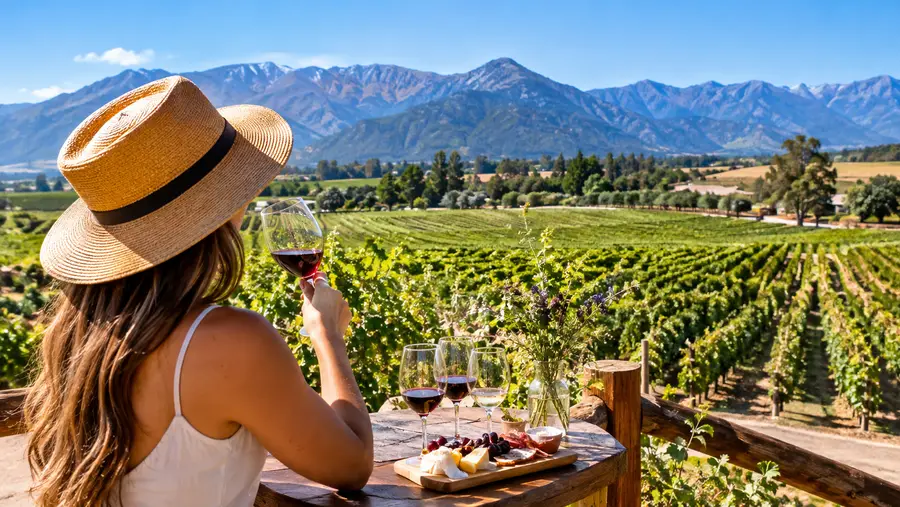
- Summer (December to February): Expect intense, blazing sun with daily temperatures reaching 33 to 37 degrees Celsius. Tasting rooms are air-conditioned, but vineyard walks during the middle of the day can feel brutal without a broad-brimmed hat.
- Winter (June to August): Vines stand bare and gray, fires crackle in rustic winery tasting rooms, and rain can turn vineyard tracks into red mud. Several smaller boutique operations close or run shortened hours.
Expect wide diurnal temperature swings no matter the season. The difference between afternoon heat and nighttime chill can exceed twenty degrees Celsius. Pack a light wool sweater or jacket even if the daytime forecast calls for thirty degrees, because the second the sun sinks behind the Coastal Range, the temperature drops fast.
Frequently Asked Questions about colchagua valley wine tour
How do you pronounce Colchagua?
It is pronounced "kohl-CHAH-gwah". The accent falls on the second syllable, and both the "ch" and "g" sounds are soft, similar to their pronunciation in everyday Spanish words.
Can you do a Colchagua Valley day trip from Santiago?
Yes, but it makes for a long day. Expect to spend at least five hours total on the road. Leaving Santiago by 7:30 AM allows you to hit two winery visits and a leisurely lunch before returning around 7:30 PM.
Why is Carmenère so famous in Colchagua?
Carmenère was thought extinct after phylloxera wiped it out in Bordeaux in the late nineteenth century. In 1994, French ampelographer Jean-Michel Boursiquot identified that vines long mistaken for Merlot in Chile were actually Carmenère. Colchagua's warm, long autumns give this late-ripening variety the exact conditions it needs to lose its green, herbaceous notes and develop flavors of blackberry, black pepper, and dark chocolate.
Quick Reference
- Distance from Santiago: 180 km (approx. 2.5 hours)
- Primary grape: Carmenère
- Base town: Santa Cruz
- Key harvest window: March to mid-April
- Zero-tolerance blood alcohol limit in Chile
Book your santiago wine tours experience:
Before You Go
Colchagua is not a place you want to rush through on an over-caffeinated day sprint. Give yourself two nights at a small hotel near Santa Cruz, hire a local driver so nobody has to worry about police checkpoints, and pick two wineries a day where you can actually sit, talk to the cellar masters, and finish a glass without looking at your watch. Order a plate of ossobuco with a bottle of aged Carmenère, watch the dust settle over the coastal hills at dusk, and let the valley do its slow, quiet work on you.
Read more about santiago wine tours.